How to Finance Your First Farm in Alabama
Starting a farm in Alabama takes more than a strong plan and a willingness to work. It also takes the right financing. Between land, equipment, livestock, and seasonal operating costs, many beginning farmers need a loan structure that fits where they are today and where they want their operation to go in the future.
The good news is that new farmers in Alabama have several financing options to consider. USDA programs can help when traditional credit is unavailable or hard to access. Farm Credit lenders like First South Farm Credit offer financing built for agriculture, including programs designed for young and beginning farmers and work alongside the USDA to assist customers in obtaining the credit needed.
This guide walks through the main loan types, how to compare your options, and what to do before you apply so that you can be prepared and confident from application to the closing table.
Key Takeaways
- Beginning farmers in Alabama may qualify for land, operating, equipment, and microloans.
- USDA generally defines a beginning farmer as someone with 10 years or less of farming experience.
- First South Farm Credit's First Steps Loan Program is designed for young and beginning farmers.
- A strong farm business plan is one of the most important parts of any loan application.
- The best financing fit depends on your operation, your experience, and whether you can qualify for commercial credit.
Who Qualifies as a Beginning Farmer?
Before comparing loan programs, make sure you understand how "beginning farmer" is typically defined.
For USDA Farm Service Agency programs, a beginning farmer generally is someone who has operated a farm or ranch for no more than 10 years. Additional eligibility rules may apply depending on the program and your county.
Within the Farm Credit System, similar categories may also matter. A young farmer is typically 35 or younger. A beginning farmer has 10 years or less of experience. A small farmer generally has gross annual farm sales below the established threshold in their country. Depending on your situation, you may fit more than one category.
These definitions matter because they can open the door to specialized financing programs, lower down payment requirements, and educational support geared to help beginning farmers succeed.
What Types of Loans Are Available?
Most beginning farmers need to think about financing in categories rather than one single loan.
Land loans
Land loans help finance the purchase of farmland, timberland, or other rural property. For many new producers, this is the largest investment they will make.
USDA FSA offers Farm Ownership options for eligible borrowers who cannot obtain reasonable credit elsewhere. It also offers a Down Payment program for beginning farmers, where the borrower provides a minimum down payment and FSA helps finance part of the purchase.
First South Farm Credit also offers land financing tailored to agricultural and rural real estate. These loans are designed around long-term ownership and may offer repayment structures that fit agricultural cash flow more naturally than a general commercial lender. You can read more about the beginning farm loans First South offers by clicking here.
Operating loans
Operating loans help cover the seasonal costs of running your farm. That can include seed, feed, fertilizer, fuel, crop insurance, repairs, and other working capital needs.
These loans are usually shorter-term and are often structured around your production cycle. If your cash flow depends on planting, harvest, or livestock sales, timing matters.
Equipment loans
Equipment loans can be used for tractors, implements, trucks, feed systems, and other machinery your operation needs. For a new producer, equipment financing can make it easier to grow without absorbing all of the upfront cost at once.
Microloans
If your operation is small or you only need modest funding to get started, a microloan may be worth exploring. USDA microloans are designed to simplify the borrowing process for smaller-scale and specialty operations.
Poultry Loans
The poultry industry is one of the safest and most secure methods of agricultural production, providing steady and secure income for growers - yet it is also the hardest and most expensive industry to enter. First South Farm Credit is here to ensure you are making informed and educated decisions when purchasing a poultry farm or planning for new construction.
Our team of experts know what the red flags are to look for, have firsthand experience in the poultry industry and have ample amounts of borrowers with success stories.
“When it comes to poultry lending, there’s too much on the line and the financial opportunities are too vast not to have someone in your corner that hasn’t ‘been-there’ and ‘done-that,’” said Noel Welch, Senior Loan Officer in Troy, AL. “Firsthand experience and real-world knowledge in poultry lending and production are critical criteria that your lender needs to have. First South prides itself on providing these services and allowing their borrowers financial success in the poultry industry. Successful, realistic, honest, transparent – First South.”
Learn more about First South’s poultry loans and other agricultural loan products, by clicking here.
How Does the First Steps Loan Program Fit In?
First South Farm Credit's First Steps Loan Program is built for young and beginning farmers who may not yet have a long credit history, large equity position, or years of production records.
The program can help finance needs such as land, equipment, livestock, and other startup or growth-related costs. It also gives new producers a path into a longer-term lending relationship as their operation grows.
Just as important, the program is designed to pair financing with guidance from your local loan officer. That can matter when you are still building financial records, refining your business plan, and learning what lenders expect during the application process. Learn more by clicking here.
“One of my favorite things about being a loan officer, is helping customers finance their first piece of farmland and begin their operation,” said Bath Petterson, Senior Loan Officer in Albertville, AL. I’m thankful that with First South we can use USDA programs along with our loans to assist our customers in reaching their goals and dreams.”
How Do USDA Loan Programs Compare?
USDA's Farm Service Agency offers several programs that beginning farmers often consider:
- Direct Farm Ownership loans: Help with buying farmland, improving buildings, and certain related costs.
- Direct Operating loans: Help cover annual operating expenses.
- Down Payment loans: Designed to help beginning farmers purchase land with a lower upfront burden.
- Guaranteed loans: Made by another lender, with FSA reducing risk by guaranteeing part of the loan.
- Joint Financing/Participation Loans: Loans made by another lender with FSA providing a portion of the financing under their Direct Loan Program.
In general, FSA programs are especially important for borrowers who may not yet qualify for conventional financing on reasonable terms. USDA rates are also typically lower than traditional financing to help farmers obtain financing when they cannot get financing elsewhere.
How Should You Compare Your Options?
There is no one-size-fits-all answer. The right loan depends on your operation and your starting point. Ask yourself a few practical questions:
Can you qualify for commercial credit?
If not, an FSA direct loan may be the right place to start. These programs exist to help borrowers who cannot secure credit elsewhere on reasonable terms.
What are you financing?
Land, operating costs, and equipment usually call for different structures. Match the loan type to the purpose rather than trying to force one product to do everything.
How much do you need?
A microloan may work for a smaller startup need, while a larger row crop, livestock, or poultry operation may require a broader financing package.
“The USDA Farm Service Agency Microloan program is an excellent way to get started in Agriculture,” said Patterson. “The requirements for this program are more relaxed, and it allows young, beginning, and small farmers get experience in agriculture so that they can grow “bigger” in the future and qualify for more loan programs.”
Do you want a long-term lending relationship?
For many producers, financing is not a one-time event. As your operation grows, you may need additional land, equipment, or working capital. A lender that understands agriculture and rural property can be valuable over time.
What Should You Do Before Applying?
Preparation can make a meaningful difference in both your confidence and your application strength.
Build a farm business plan
Your business plan should explain what you plan to produce, how your operation will work, what your costs look like, and how you expect to repay the loan. It does not need to be perfect, but it does need to be thoughtful and realistic.
Gather your financial documents
Be ready with personal financial statements, tax returns, a balance sheet, and any records that show production history, lease arrangements, or current farm income.
Talk with a lender early
A conversation before you apply can help you understand which programs fit, what documents you need, and where you may need to strengthen your application.
Review eligibility upfront
Each program comes with its own rules around experience, farm size, credit history, and use of funds. Checking those details early can save time.
Common Mistakes to Avoid
Beginning farmers often improve their odds by avoiding a few common missteps:
- Borrowing too much too soon: Growth is important, but overextending early can create pressure your operation is not ready to absorb.
- Skipping the business plan: A written plan helps both you and your lender evaluate whether the numbers make sense.
- Not comparing options: Terms, structure, and support can vary from one financing path to another.
- Ignoring risk management: Weather, markets, labor, and input costs can all affect repayment. Build a cushion where you can.
Are There Other Sources of Support?
Yes. Loans are only one part of the picture.
Programs such as USDA NRCS cost-share opportunities may help with certain conservation-related improvements. Alabama producers can also benefit from educational support through Extension and other agricultural resources that help with planning, recordkeeping, and operational decision-making.
First South also offers AgBizInfo, which is resource collaboration between AgFirst Farm Credit bank and other Farm Credit lenders. At AgBizInfo, you can find articles, videos, podcasts and more to best understand the farming business. This is a completely free tool that you can access by clicking here.
Final Thoughts
Financing your first farm in Alabama can feel like a big step, because it is. But new producers do not have to sort through their options alone.
The best next step is to talk through your goals with a lender who understands agriculture and your operation. When the right loan structure matches the right plan, financing becomes a tool that helps you build something that lasts.
*Financing is subject to credit approval and eligibility requirements.*
Contributors

Beth Patterson
First South Farm Credit Senior Loan Officer
Albertville, AL
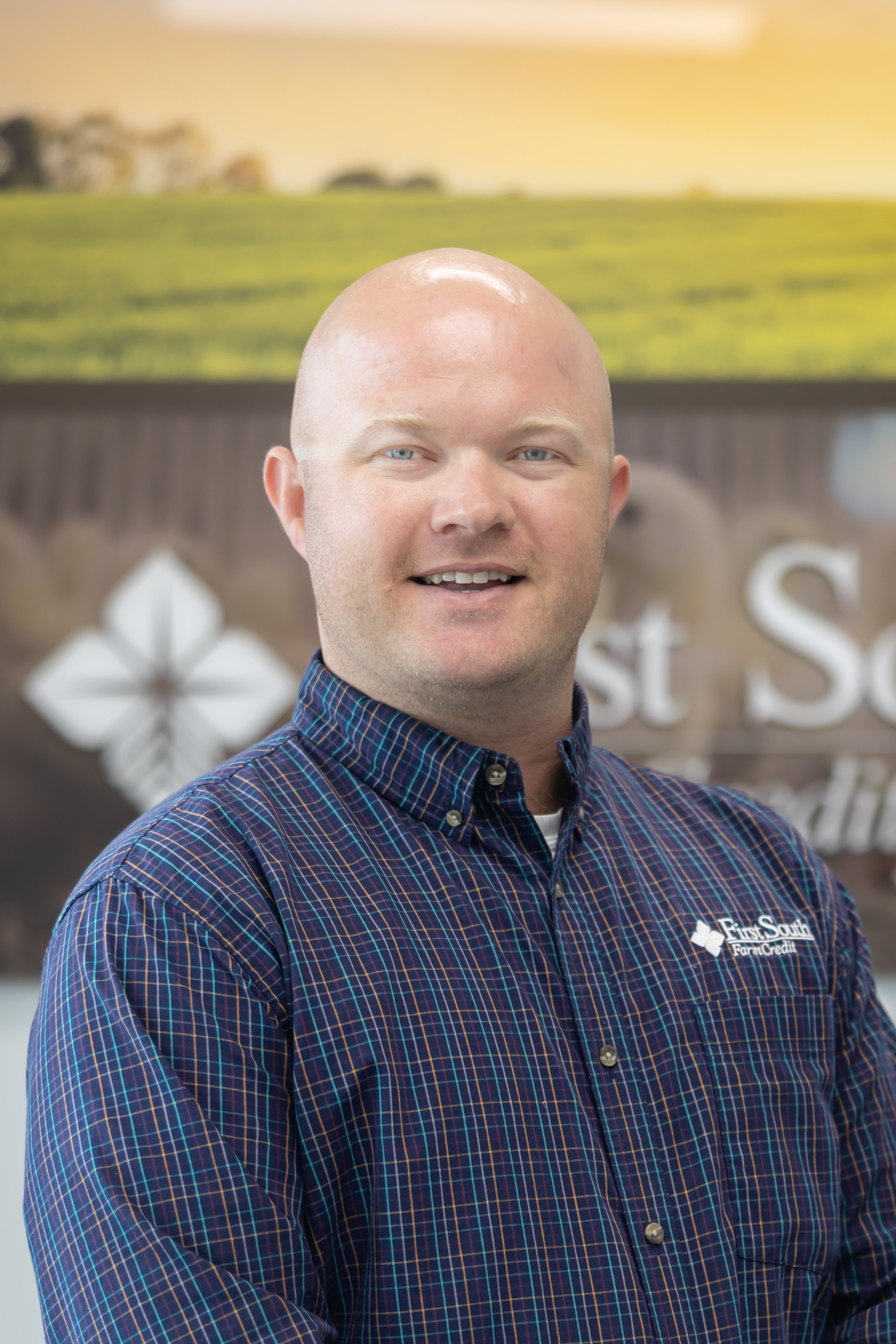
Noel Welch
First South Farm Credit Senior Loan Officer
Troy, AL